Bedding · Fiber & Care
Understanding Silk Bedding: Momme, Finish, and Everyday Care
Silk bedding can feel cool, fluid and unusually smooth, but those qualities are only part of the story. Momme weight, fabric finish, construction and care habits all shape how silk behaves in a bedroom—and how well it holds up to ordinary use.
Published October 16, 2026
Silk has a way of making a bed feel different before a sleeper has even settled in. It catches the light with a quiet sheen, slides easily under the hand and drapes with a softness that is unlike crisp cotton percale or textured linen. Yet “silk” is not a complete description of a textile. Two silk pillow coverings can feel noticeably different; a sheet may have a gentle fluidity or a heavier, more substantial hand; and the care that suits one piece may be wrong for another.
Understanding the fabric begins with a few practical details: what the term momme means, how a surface finish affects touch and appearance, how seams and closures contribute to performance, and what delicate care really asks of a household. These details matter because silk bedding is not simply a luxurious version of a familiar cotton set. It is a distinct material with particular strengths, limitations and maintenance needs.
For shoppers, the goal is not to find one universal “best” silk. It is to understand what the fabric is likely to feel like, how it fits into an existing bedding routine and whether the extra attention it requires makes sense for daily life. The label and care instructions are often more useful than a sweeping claim about luxury.
What momme tells you—and what it does not
Momme, usually abbreviated as “mm,” is a traditional unit used to describe the weight of silk fabric. It is based on the weight of a length of silk of a specified width, rather than on the thickness of a single fiber. In broad terms, a higher momme figure indicates more silk by weight in the fabric. That can contribute to a denser, more substantial feel, though it does not tell the whole story of how a finished textile will perform.
It is tempting to read momme as a simple quality score. That shortcut misses important variables. Weave, yarn, finishing, dyeing and the intended use of the fabric all influence the result. A higher number does not, by itself, guarantee a softer hand, better construction or greater comfort. Nor does a lower number automatically mean a fabric is unsuitable. The useful question is whether the weight and construction match the purpose: a pillowcase, flat sheet, duvet cover or decorative layer each faces different demands.
Silk bedding is commonly described in product information by its momme weight. For example, several Gingerlily silk bedding descriptions specify 19 momme for sheets and pillow coverings, while some fitted sheets are described as 22 momme. Those figures offer a point of comparison, not a complete verdict. A shopper should also check fiber content, dimensions, closure details, wash instructions and whether the piece is designed to coordinate with other bedding.
Weight can influence drape as well as perceived substance. A lighter silk may fall in soft, fluid folds; a heavier fabric may feel more grounded and structured. But the result depends on the weave and finish, too. If possible, handle a sample or fabric swatch. If that is not possible, look for a clear description of the fabric and avoid treating a single number as a substitute for tactile information.
Finish: sheen, smoothness and the hand of the cloth
“Finish” describes treatments and processes applied to fabric to produce a particular appearance or feel. In silk, finishing can influence sheen, softness, drape and how the surface responds to use. A lustrous appearance is part of silk’s familiar appeal, but sheen varies across fabrics and can be intensified or softened through the way the textile is made and finished.
Some silk feels especially sleek against the skin; other silk has a more subdued, matte character. Neither quality is inherently superior. A polished surface may suit someone who likes a cool, fluid feel and a refined look. A quieter finish can sit more easily alongside matte cotton, textured linen or a minimally styled room. Color and light affect perception as well: pale shades reveal reflections differently from deep colors, and a patterned or bordered piece may catch the eye in another way.
Finishing can also affect the way a textile feels after laundering. The safest approach is not to assume that all silk responds identically, but to follow the care label attached to the specific item. Product-level instructions matter because dyes, trims, stitching and other design details may require a more cautious routine than the fiber name alone suggests.
Construction gives another layer of information. On a pillowcase, an envelope closure, zipper or Oxford border affects how the piece fits and how it looks at the pillow’s edge. On a sheet, pocket depth and corner construction affect fit on the mattress. A duvet cover may use buttons or another closure, with internal ties to help keep the insert in place. These features do not change silk’s basic fiber properties, but they influence everyday handling and the finished bed.
Pillow coverings and sheets have different jobs
A silk pillowcase is often the first way people try silk bedding. It is a relatively small change to a bed, and it places the fabric in contact with the face and hair. The smooth surface may feel comfortable to people who prefer less friction against their skin or hair, but claims about guaranteed beauty or health outcomes should be treated cautiously. A pillowcase is a textile, not a treatment, and individual experiences vary.
Before choosing silk pillow coverings, check dimensions and closure style as carefully as you would with cotton. A case that is too small may strain its seams; one that is too large can bunch or shift. Consider whether the pillow has a removable protector beneath the case and how often you want to wash the silk layer. Since pillow coverings are in close contact with the face and may need frequent laundering, care convenience is part of the decision.
Silk sheets involve a larger commitment. They cover more surface area, move differently from cotton or linen and may need more careful handling when washing and drying. A flat sheet can be a relatively flexible way to introduce the material: it can be layered over familiar fitted sheets or used as a light cover in warmer conditions. A fitted sheet has additional practical considerations, including pocket depth, elastic construction and mattress fit. Loose corners can place stress on fabric, so measurements matter.
Silk is not automatically cooler in every room or for every sleeper. Comfort depends on room temperature, bedding layers, personal preference and the construction of the textile. Silk’s smoothness and drape may make it feel different from a crisp cotton sheet, but subjective comfort cannot be reduced to a single fiber claim. If temperature is a primary concern, consider the entire bed setup—not just the material of one layer.
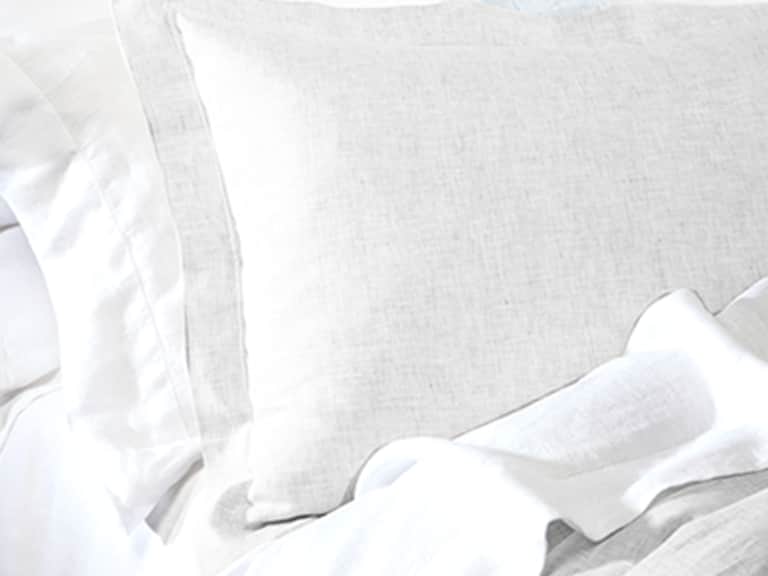
Silk also differs from linen in the way it presents texture and care. Linen, made from flax, is known for its more visible natural texture and relaxed appearance; silk is typically chosen for its smooth hand and luster. Linen pillowcases, such as the Layla Linen Pillowcases, offer a useful contrast in feel and routine: they are described as washable and designed to soften with use. They are not silk, but comparing the two helps clarify what someone is seeking—textural ease or a smoother, more delicate surface.
Reading a silk bedding description closely
Product language can make silk sound like a single, effortless category. A more useful reading separates verifiable details from broad impressions. Start with fiber content. “100% mulberry silk,” for instance, identifies the stated silk type and composition; it does not, on its own, disclose every aspect of weave, finishing or manufacturing. Then check the momme weight, the item’s dimensions and any construction notes.
Look for a care section before making a decision. A garment or bedding item that calls for a delicate machine cycle at a low temperature is not necessarily maintained in the same way as one that says dry clean only. Even within a collection, different pieces may have different instructions. A decorative pillow cover, a pillowcase and a duvet cover can have different trims or construction and therefore different requirements.
Gingerlily silk bedding provides a relevant example of why product-specific details matter. Descriptions for some of its silk pieces specify 100% mulberry silk, a 19 momme weight and delicate washing at temperatures no higher than 30°C, followed by air drying and cool ironing if needed. Those instructions should be treated as guidance for the particular items described—not as a blanket rule for every silk textile or every piece from every maker.
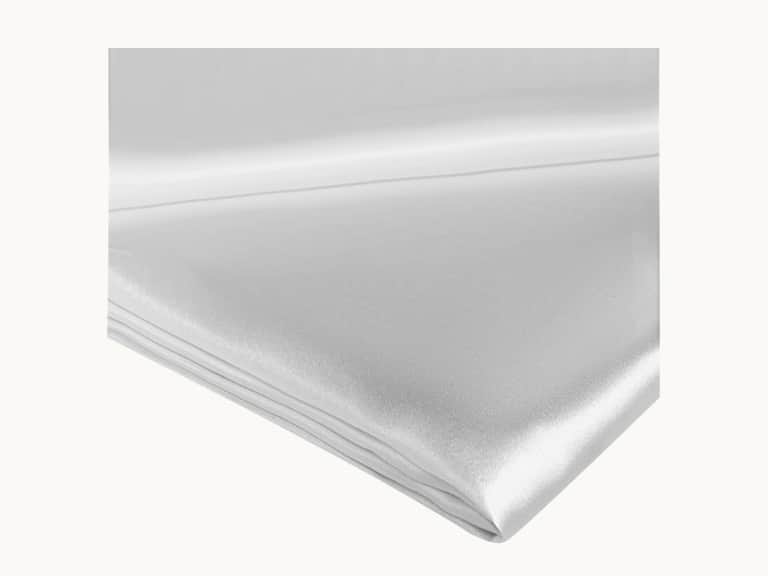
For a concrete example, the White Silk Flat Sheet is described as 100% mulberry silk at 19 momme, with delicate-cycle washing at no more than 30°C, air drying and cool ironing if needed. That information lets a reader assess both the material and the routine it asks for. It is more useful than relying on words such as “premium” or “luxurious,” which may communicate mood but do not explain how to look after the fabric.
A practical care routine for silk
Silk care begins before the washing machine is switched on. Read the label on the exact item and follow it over general advice. If the care instructions conflict with a broad online recommendation, the item’s label should take priority. Check for damage, loose seams or embellishments, and wash silk separately from abrasive items such as garments with hooks, rough fasteners or heavy zippers. Turning a pillowcase inside out, when the care instructions recommend it, can help reduce unnecessary abrasion to the visible surface.
Use a gentle cycle and the specified low temperature if machine washing is allowed. Choose a mild liquid detergent intended for delicate fabrics or silk, following its directions and using an appropriate amount. Avoid bleach and harsh stain treatments unless the manufacturer explicitly approves them. Do not overload the drum: silk needs room to move without being rubbed excessively against other items. A mesh laundry bag may provide additional protection where the care label allows machine washing, but it does not replace the instructions.
When hand washing is permitted, keep the process restrained. Use cool or lukewarm water as directed, dissolve the appropriate detergent, and move the fabric gently rather than scrubbing or twisting it. Rinse carefully. Do not wring silk to force out water; pressing it gently between clean towels is a more cautious approach. If the garment or bedding is valuable, unusually detailed or marked dry clean only, professional care may be the safer choice.
Air drying is commonly recommended for delicate silk. Support the fabric so its weight does not pull unevenly on seams, and keep it away from direct heat. A hot tumble dryer can expose delicate fibers to heat and mechanical stress; use one only if the specific care label says it is appropriate. Avoid leaving damp silk in a heap, where creases can set and moisture may linger.
Iron only when needed and only at the temperature advised by the manufacturer. A cool setting is often specified for silk, and ironing the fabric while it is slightly damp may help smooth creases, but labels differ. Press on the reverse side if recommended, and avoid lingering in one spot. Steam can be useful for some silk items, yet it is not automatically suitable for every finish or construction. Test cautiously or follow the product’s explicit directions.
Stains, storage and everyday wear
A fresh mark can prompt an understandable urge to act quickly. With silk, vigorous rubbing or an improvised stain remover can create a larger problem than the original spot. Blot gently with a clean, absorbent cloth rather than scrubbing. Avoid applying bleach or strong household chemicals. If the stain is persistent, the fabric is dyed, or the item has an elaborate finish, consult a professional cleaner and identify the fiber and care instructions.
Store clean silk in a dry, well-ventilated place, away from prolonged direct sunlight. Strong light can fade textiles over time, while damp conditions can encourage mustiness. Avoid compressing silk under heavy objects for long periods. If storing a seasonal set, make sure it is completely dry first and use a clean, breathable storage method. Plastic storage can trap moisture if the textile is not fully dry, so ventilation deserves attention.
Everyday wear is influenced by how a bed is used. Friction from rough surfaces, sharp jewelry or snag-prone items can catch delicate fabric. Pets, food and cosmetics introduce predictable risks, particularly on a flat sheet or pillowcase. Some households may prefer to reserve silk for a pillow covering or an occasional top layer rather than use it across the whole bed. That is not a compromise; it is a way to match the textile to real routines.
Regular washing is also a balance. Bedding should be kept clean according to household needs, but unnecessary washing can add wear to delicate fabric. Using a washable protective layer underneath or rotating between sets may help distribute use. The right schedule depends on personal habits, climate and the maker’s instructions. There is no single interval that is right for every sleeper or household.
Choosing silk for the life you actually lead
The best silk bedding decision is often less dramatic than the advertising suggests. Consider your tolerance for special care, your preferred sleeping surface and the role the item will play. If you enjoy smooth fabrics and are comfortable with gentle laundering, a silk pillowcase may be a manageable entry point. If you want a complete silk bed, assess the care routine for every component, including sheets and duvet covers, rather than assuming all pieces can be washed together.
Compare the practical specifications: fiber content, momme weight, finish, size, depth, closure and washing instructions. Ask whether the piece can be used with bedding you already own. Think about color and sheen in the light of the room, but do not let appearance obscure fit and upkeep. A beautifully finished sheet that does not fit the mattress—or one whose care routine is unrealistic for the household—may not be a satisfying choice over time.
It is equally useful to decide what silk is not being asked to do. No fabric can guarantee better sleep, prevent every crease or deliver identical results for different people. Silk’s appeal lies in its distinctive surface, drape and visual character, together with the pleasure of using a material that feels different from everyday cotton. Its delicacy is part of that exchange. The more carefully expectations are set, the easier it is to enjoy the textile for what it offers.
The lasting value of knowing the label
Momme offers a helpful clue about silk’s weight, but it is only one clue. Finish shapes the surface and appearance; construction determines how a piece closes, fits and moves; care instructions reveal the routine required to preserve it. Together, those details make a more dependable guide than a single headline claim.
Silk bedding can bring a smooth, fluid counterpoint to a bed built from cotton or linen. It can also ask for gentler washing, careful drying and more attention to snags and stains. The right choice is not necessarily the heaviest, glossiest or most expensive one. It is the piece whose feel, construction and upkeep suit the person who will use it.
Read the specifications. Follow the care label. Begin with the item that fits your habits, whether that is one pillow covering or a sheet. In textiles, as in many domestic decisions, a little knowledge before the first wash can make the difference between an appealing purchase and a lasting part of everyday life.
Silk bedding: quick answers
Does a higher momme weight always mean better silk?
No. Momme indicates fabric weight, but weave, yarn, finish and construction also affect feel and performance. Consider the item’s intended use and the full product specifications.
Can silk bedding be machine washed?
Some silk items permit delicate machine washing, while others require a different method. Follow the care label for the specific piece, including its temperature and detergent guidance.
Is silk the same to care for as linen?
No. Silk and linen differ in fiber, surface and care needs. Even within each fiber category, follow the instructions for the individual item rather than assuming every textile can be handled alike.