1) The fiber story: linen’s natural advantages
Linen stands apart in the realm of natural fibers for its airy hand, exceptional moisture management, and durable character. Unlike cotton, linen fibers—derived from flax plants—have a hollow, crimped structure that promotes airflow and rapid moisture evaporation. This makes linen sheets feel cool to the touch, even on warm nights, and it explains why linen bedding has long been associated with comfort in hot climates and warm-weather seasons.
From a historical vantage, linen’s reputation for longevity and a quietly luxurious hand traces back centuries. In modern homes, brands like Coyuchi, Libeco, and Gingerlily carry the linen tradition forward with contemporary finishes and responsible farming. The fiber’s intrinsic breathability means you may experience less night-waking due to heat buildup, a feature that becomes especially meaningful as households multitask—cozying up with a book, working from bed, or sharing a room with climate-control quirks.
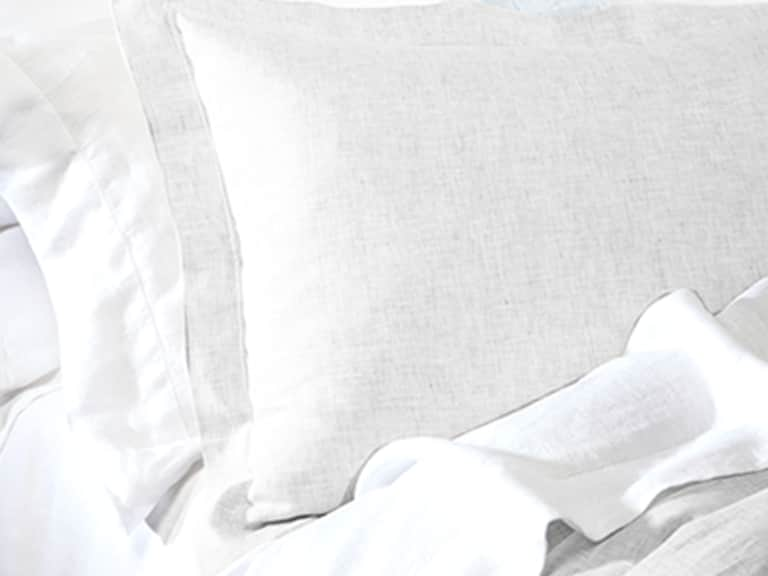
Finishes range from raw, relaxed textures to washed, softened feels. A plant-based softener or stone-washed treatment can enhance the hand without compromising the fiber’s structural integrity. Buyers should distinguish between 100% linen and linen blends; blends can alter the balance of texture, drape, and wrinkle behavior, while 100% linen preserves the most authentic breathability and aging trajectory.
2) Weave, weight, and warmth: reading the sheet’s structure
Linen sheets are typically plain weave or a variation that emphasizes texture and drape. The weave type interacts with weight (often measured in gsm or ounces per square meter) to determine warmth, wrinkle behavior, and the sheet’s fall over the mattress. A lighter linen sheet—say, in the 120–170 gsm range—offers a breezier, crisper feel that’s ideal for warmer climates or those who sleep hot. Heavier linen, in the 170–250 gsm range, leans toward a more substantial hand that can feel luxurious and breathable even when temperatures dip.
Consider how your bed is configured. A fitted sheet with deep pockets and robust elastic is essential for adjustable or thick mattresses. A flat sheet with generous drape can make a difference in how the top layer interacts with a comforter in winter or a light cover in summer. Some linen sheets feature a light finishing that reduces initial wrinkling, while others embrace the natural corrugation and “lived-in” character that linen gains with each wash.
In choosing weight and weave, climate matters first, followed by personal preference for texture and how you launder. If you live in a humid climate or favor a crisp, summer-ready feel, a lighter, plain-weave linen can be ideal. If you want a cozier air under a duvet in cooler months, a mid-weight linen with a soft, relaxed hand can offer a more forgiving balance between warmth and breathability.
3) Care, longevity, and the ritual of linen
Linen rewards careful handling and consistent care. The good news is that linen becomes softer and more resilient with every wash, and it tends to resist pilling and fraying unlike some synthetic fibers. Decoding care labels becomes a small but meaningful act in preserving the sheet’s texture and color.
Wash linen sheets in a gentle cycle with a mild detergent. Avoid high heat in the dryer; line-drying or tumble-drying on a low heat preserves the fabric’s integrity and reduces excessive wrinkling. Linen loves air, so consider a brief tumble to reduce wrinkles and then finish with a light iron if you prefer a crisper surface. For white or light hues, a touch of non-chlorine whitening agent can help maintain brightness without harming the fiber.
Finishes and pre-treatments matter. Some linen sheets are stone-washed or washed with softeners to achieve a particular hand. While softeners can alter absorbency and breathability slightly, many brands balance softness with the linen’s natural performance. When selecting a sheet, read the finish description to gauge the hand you want—crisp and cool or soft and relaxed—and consider how you’ll launder on a weekly or monthly cadence.
4) Brand signals and practical picks
In the modern market, linen sheets come from a spectrum of brands that emphasize sustainability, origin, and craftsmanship. Notable names in the linen space tend to share three traits: traceable flax supply, European weaving, and careful finishing practices. When you compare brands such as Coyuchi, Libeco, and Gingerlily, you’ll find differences in fiber origin, weave density, and post-weave aging behavior. A well-chosen set of linen sheets should feel cooler on contact than a typical cotton percale, but still offer a tactile warmth as the fibers relax with repeated washings.
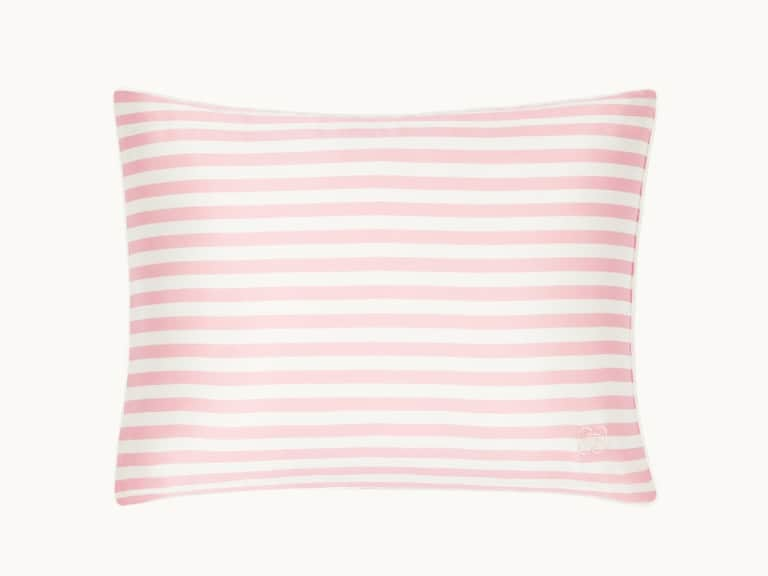
For a tangible example, consider the Windsor Silk Decorative Pillow - Ivory from Gingerlily as a complementary piece to a linen bedding setup. While linen sheets drift toward a matte, airy texture, a silk decorative pillow introduces a different tactile note that elevates the overall bed composition without compromising the linen’s breathability. The Windsor pillow’s ivory tone and silk finish pair well with light, neutral bedding palettes and add a quiet luxury that reads well in editorial photography and real-life bedrooms alike.
5) Key voices through time: three figures shaping our understanding of textiles
Across eras, three distinct voices offer insight into textiles’ evolving relationship with comfort, design, and science.
1) Pliny the Elder (1st century CE)
Early observer of natural materials and craft
Pliny’s natural histories remind us that textiles have deep roots in human daily life, from fibers to dyes. Though not a textile technologist, his encyclopedic gaze captures the cultural significance of fabrics as both utility and symbol.
2) Lewis H. Morgan (19th century)
Anthropologist highlighting material culture
Morgan’s examinations of daily life and textile production illuminate how communities organized work around linen, flax, and cloth. His perspective helps readers understand linen’s social and economic dimensions in historical contexts.
3) Aline Smithson (21st century)
Contemporary curator of textile history
Modern curatorship and scholarship frame textiles as living artifacts—emphasizing conservation, technique, and storytelling. Smithson’s approach mirrors today’s guideposts: careful sourcing, transparent aging, and editorial clarity.
These voices, spanning eras from antiquity to the present, anchor linen sheets in a continuum: from daily necessity to curated luxury. Their echoes remind us that textiles are not merely fabric; they are culture, science, and memory woven together.