Blankets and quilts are bedding layers used to add warmth, softness, and visual texture to a sleeping space. Their weight and construction affect how they feel across changing temperatures, while breathable materials can support comfortable rest. They may be used over sheets or combined with pillows and other bedding for adaptable everyday comfort.
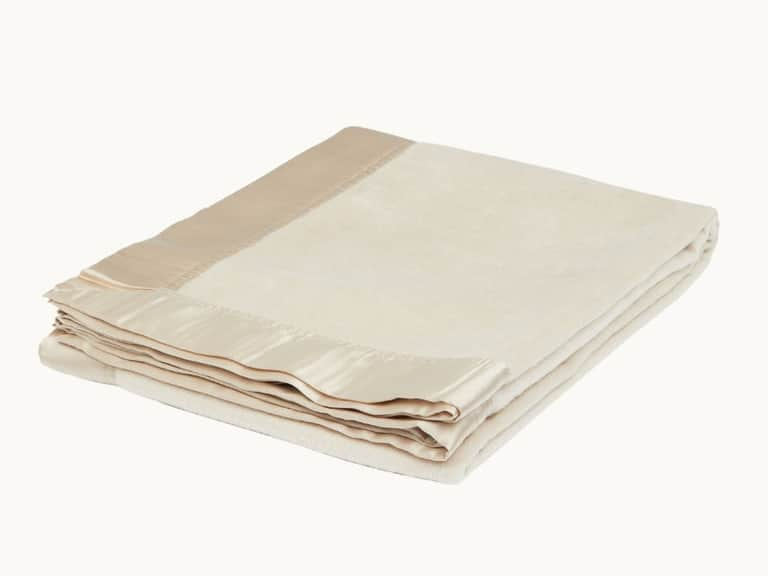
The Silk Biscuit Blanket is a silk blanket with a biscuit-style quilted appearance. Its softly divided sections create a textured surface, while silk offers a smooth, lightweight feel. As a bedding layer, it can provide gentle coverage without the bulky feel associated with heavier blankets, making it suitable for relaxed lounging or sleep.
Quilted sections help distribute filling or insulation across a blanket and give the surface a defined structure. A lightweight silk layer can complement cotton sheets or other breathable bedding, depending on the sleeper’s preferences and room temperature. Care instructions matter, since delicate fibers such as silk may require gentler cleaning than everyday textiles.
Blankets and quilts can serve different needs in bedrooms, guest rooms, and nursery settings. A light layer may be useful when a full comforter feels too warm, while a more substantial quilt can add extra insulation. For nursery use, caregivers should follow safe-sleep guidance and keep loose bedding out of an infant’s sleep space.
When comparing bedding, consider material, construction, warmth, dimensions, and maintenance requirements. The Silk Biscuit Blanket’s silk surface and biscuit-style quilting distinguish its texture and lightweight coverage from standard sheets, pillows, or latex sleep products. Coordinating these bedding elements by comfort and care needs can help create a practical, restful sleep environment.
 Bedding