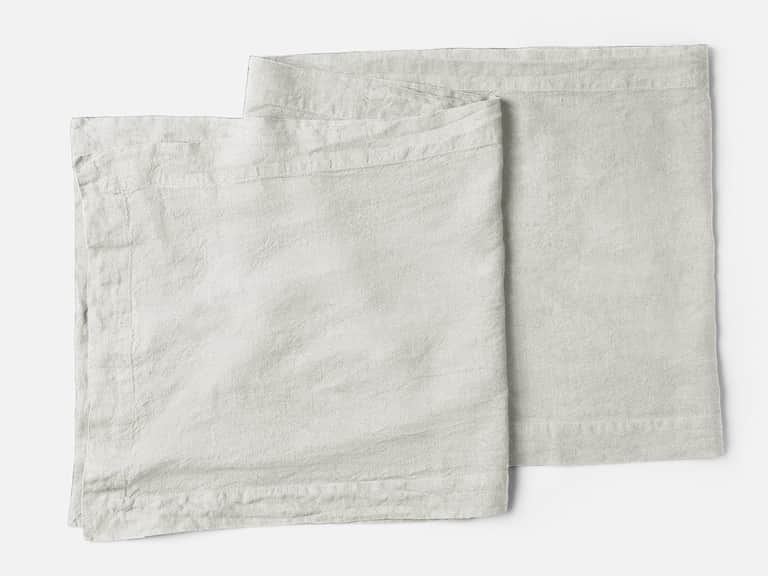
Table linens help protect dining surfaces while adding texture, color, and definition to everyday meals or special gatherings. Napkins and runners serve different purposes: napkins support individual place settings, while runners create a narrow decorative layer along the center of a table. Material, weave, and care requirements all influence their function.
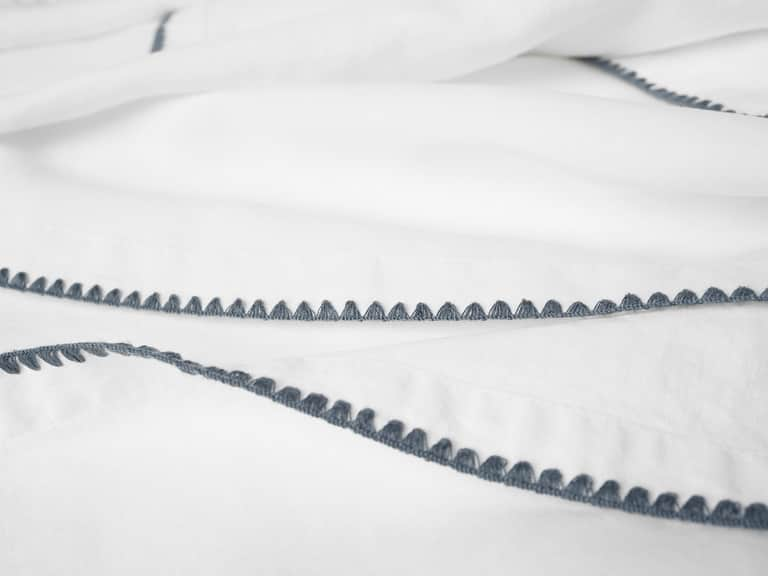
Olivos Embroidered Organic Linen Napkins combine organic linen with embroidered detailing for a refined, reusable alternative to disposable paper napkins. Linen is known for its natural texture and ability to soften with use. These napkins help absorb spills, frame place settings, and bring a coordinated finish to casual dining or formal tables.
The Mojave Organic Linen Runner is designed to lie lengthwise across a table, providing a focal point while leaving much of the surface visible. Its organic linen construction offers a breathable, textured look suited to a range of interiors. A runner can help define a dining arrangement and provide light surface coverage between meals.
When choosing table textiles, consider table dimensions, intended use, and the balance between coverage and exposed surface. A runner can be layered with placemats or used on its own, while linen napkins can be folded or displayed beside plates. Natural-fiber linens are distinct from bedding items such as sheets and pillows.
Table linens belong to home textiles, but they have different dimensions and practical roles from bedding, pillows, and nursery linens. Latex, by contrast, is a material commonly associated with cushioning rather than table coverings. Understanding these category differences makes it easier to assess whether organic linen napkins or a runner suit a particular dining space.
 Table